






Runway magazine returns to the big screen, bringing back familiar faces for a fresh take on fashion’s digital age evolution.
Nearly 20 years later, “The Devil Wears Prada 2” arrived in theaters on May 1 with high expectations. The movie is directed by David Frankel and stars Anne Hathaway, Meryl Streep, Emily Blunt and Stanley Tucci. The actors reprise their roles at Runway magazine in a world where fashion is now online with a click of a button and a swoosh of a screen.
The film matters now because it is not just revisiting a popular story, but testing whether the same characters can still feel relevant in an industry that has changed completely since 2006. It tries to answer the question whether fashion still looks like Miranda Priestly or something newer, messier and more digital.
Overall, the movie was a pretty strong sequel, even if it’s not perfect. It improves in important areas like plot and character development, but at the same time, it struggles to recreate what made the first one feel so sharp and iconic.
The story follows Andy Sachs years after leaving Runway, when she crosses paths again with Miranda Priestly and Emily Charlton. Miranda is still controlling, but increasingly aware of a changing industry, while Emily has built a career that looks very different from her past. Andy ends up being pulled back into their orbit as Runway faces pressures to stay relevant. “The conflict felt fresher than expected,” said Madison Turner. “Which was a good thing, it wasn’t just the same movie again.”
However, the music is the weaker part of the movie. It supports scenes, without really shaping them. While it includes trendy sounds, none of them really stand out or feel memorable. The first movie felt like the soundtrack understood the energy of the story. Here, it often fades into the background and doesn’t leave a lasting impression after the movie ends.
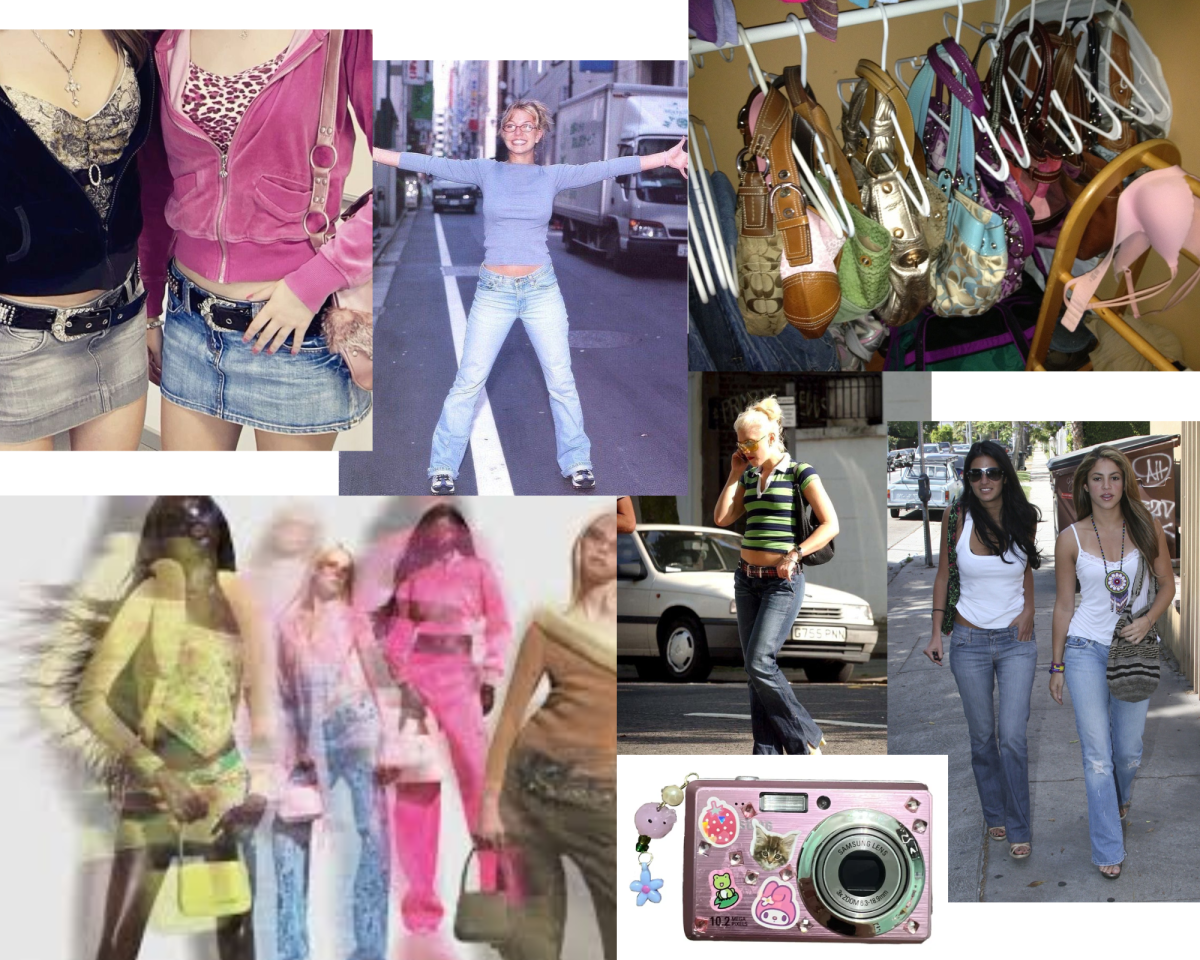
One of the strongest parts of the film is the costume design. The clothing is not just about being fashionable but about showing how each character has changed without explaining it directly. From Andy’s first scene, her wardrobe signals she’s no longer the insecure assistant. She carries herself with confidence and purpose. The costumes act as a visual biography.
Miranda’s wardrobe still feels sharp and distant, while Emily’s looks are louder and more modern, almost like she is proving something. Andy’s style sits in between, like she never fully left one world or the other. The fashion is also more inclusive and reflects real changes in the industry. Runway’s pages now feature models of all different backgrounds, showing how the magazine is evolving with its audience.
Turner said, “Everything was way more diverse in fashion and people,” which shows how the film connects to modern audiences. The costume design represents a wider range of styles, identities and cultural influences, making the movie feel more realistic and updated.
Even with its weaker moments, “The Devil Wears Prada 2” still works because it understands that these characters are the real reason people return. The film is not trying to recreate the past exactly, but it also cannot fully escape it. The result is a sequel that honors nostalgia without being trapped by it.
“It was basically what I expected,” said Ava Drummer, showing that while the movie meets expectations, it doesn’t go beyond them. Overall, I would give it 4 out of 5 stars and would definitely recommend watching.