






























Luigi Mangione used a partially 3-D printed gun to assassinate UnitedHealthcare CEO Brian Thompson on December 4, 2024. Now, two Washington State bills—HB 2321 and HB 2320—intend to prevent firearm fabrication by instituting heavy 3-D printing restrictions.
From the surface, these bills seem reasonable and even beneficial towards keeping Washingtonians safe; however, they present a terrible reality for hobbyists, STEM students, and even the very idea of “open source”—the practice of sharing designs and files freely, without paywalls or licensing restrictions.
House Bill 2320 bans 3-D printers and CNC routers from being used to create firearms. The bill also prohibits the distribution of firearm-related files with a rebuttable presumption of guilt.
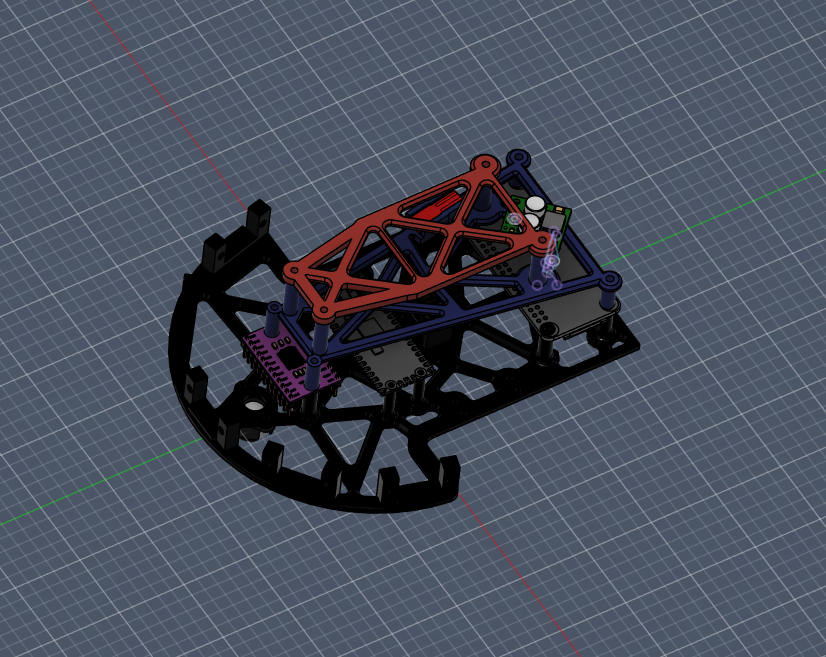
Red flags can be seen in HB 2321, which proposes that all 3-D printers sold within the State of Washington have “firearm blueprint detection algorithms” that automatically reject prints that appear to be for a firearm. From a software standpoint, it’s extremely difficult to classify and flag prints.
A barrel is just a tube. A trigger guard could be a cable clip. The algorithm would have to distinguish intent from geometry, which is something even humans can’t reliably do. This troubles makers because a falsely flagged print could land someone in legal trouble.
So what is open source, and why is it important?
Open source has been the backbone of the maker movement since it was coined by the Open Source Initiative in 1998. It’s how robotics teams share 3-D model files and circuit schematics, how hobbyists build off each other’s work, and how students learn by discovering and fixing errors and flaws. These bills put that ecosystem at risk by mandating a highly regulated surveillance system for 3D printing.
Open source creation allows anyone to contribute and distribute their ideas and designs online. A study run by GitHub, the leading platform for open-source software development, found that open-source
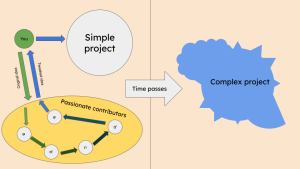
development has accelerated innovation and the creation of new, user-friendly software. Users are able to share their ideas and allow others to stress-test and point out solutions to flaws within designs.
Examples such as the creation of the Linux kernel—a free-to-use operating system for robotics, the Android operating system, and Chromium—the foundation of the Chrome browser. These developments define the open source movement, allowing anyone to develop apps without reinventing the wheel. They also allow users to develop their projects without being controlled and monitored by third-party entities.
What do makers and industry specialists think?
A 3-D design and fabrication specialist, who asked to remain anonymous, shared their thoughts regarding HB 2321. “I think it’s just not going to work, it’s just going to hurt makers and only discourage criminals, especially when you can make your own pretty easily,” they said. Some people have built their own 3-D printers for as little as $150. This brings up a glaring problem: the people who want to build illegal firearms will simply make DIY printers, while hobbyists and small businesses suffer.
GlowForge CEO, Dan Shapiro, told GeekWire that the bare minimum of compliance is impossible. “There’s no product that we could build that would be legal for sale under this,” he said. If the bill passes, it will create a market for manufacturer-controlled, subscription-based printers that lock hobbyists and educators out of the open-source tools they rely on without stopping criminals.
What does this mean for student makers?
Many students in Washington use 3D printers to build robots, sometimes iterating on a part a dozen times in a single day. If every print has to pass through a detection algorithm, or worse, a cloud verification system, the era of rapid prototyping and development will die. Open source development has survived because ownership is held by the community, but these bills could shift ownership into the hands of companies.