




























As global tensions rise and Washington mandates a fossil fuel phase-out by 2045, lawmakers are drafting a plan to expand the Columbia Generating Station to prevent an energy crisis.
Data centers and consumers require more electricity every year. Because wind and solar energy are dependent on weather, the North American Electric Reliability Corporation warns that relying on them can lead to power instability, putting immense pressure on Washington state.
“As we de-carbonize the electric grid, it is increasingly evident new sources of carbon-free, reliable and affordable electricity must be deployed,” said Bob Schuetz, the Chief Executive of Energy Northwest.
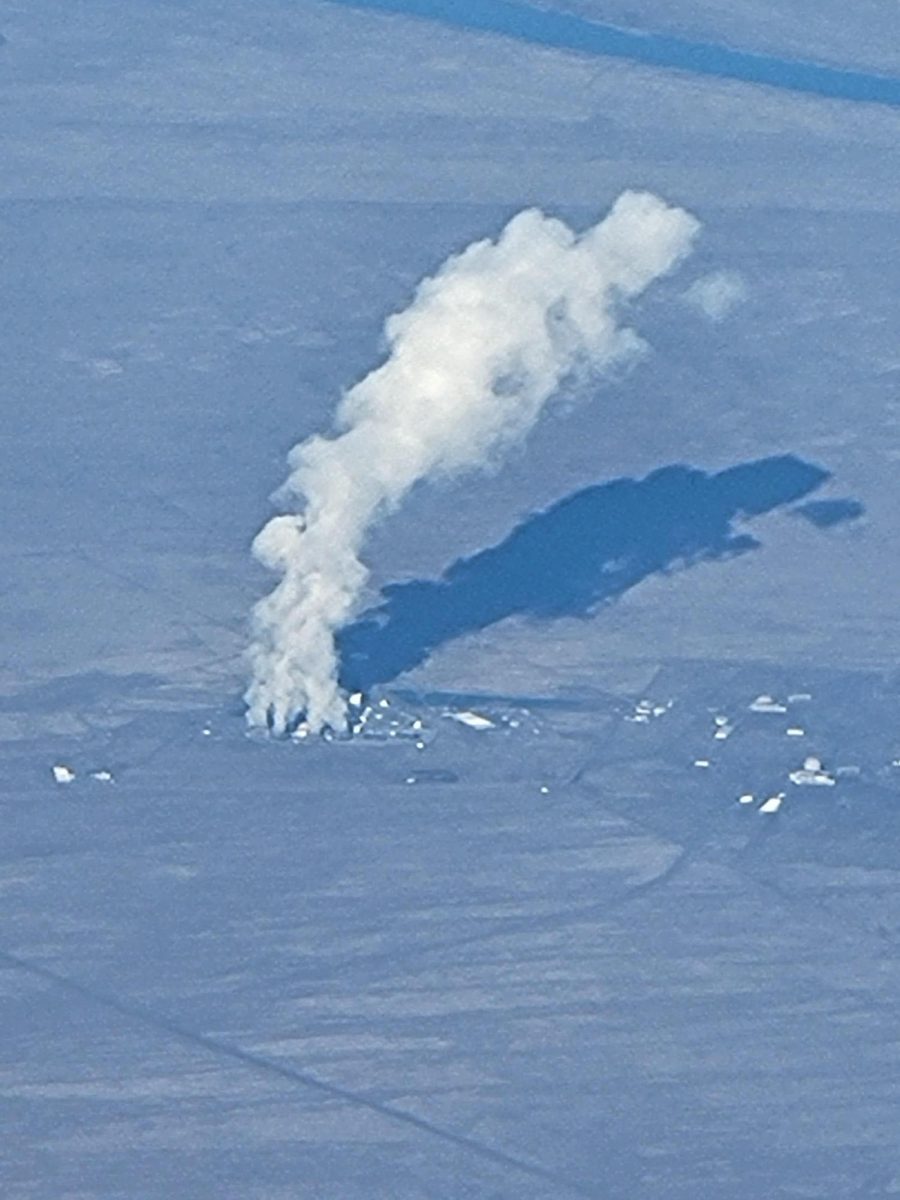
Washington already has one nuclear plant, the Columbia Generating Station, powering about a million homes across the state. The Bonneville Power Administration approved a $700 million extended power uprate in May 2025 to improve the station’s electrical output by 162 megawatts by 2031, enough to power roughly 75,000 homes.
“Upgrading an existing resource to provide additional reliable energy will help BPA keep pace with its customers’ growing electricity needs and keep rates low,” said John Hairston, an administrator at Bonneville Power Administration.
Energy Northwest is planning to build 12 Small Modular Reactors (SMRs) near the Columbia Generating Station. SMRs are built in factories and assembled on-site, similar to IKEA furniture, making them cheaper and faster to construct. Additionally, Microsoft is backing fusion reactor construction in Malaga that aims to be operational by 2028 and would generate energy similarly to the sun and without producing long-lasting radioactive waste.
Nuclear energy operates at a 92% capacity factor, which is three times more efficient than wind or solar and produces zero carbon emissions, as well as generating minimal physical waste.
Globally, nuclear power has already prevented an estimated 64 billion metric tons of greenhouse gas pollution by replacing coal, according to research by Columbia University. The Nuclear Energy Agency estimates that tripling the current number of reactors could avoid another 87 gigatons of emissions by 2050.
Critics argue that nuclear energy will be too slow and expensive to be a solution worth relying on. While the world uses more electricity than ever, nuclear power hasn’t been scaled up enough to keep up, losing its contribution to worldwide production to faster wind and solar projects.
A 2022 Stanford University study warned that smaller factory-made reactors experience more neutron leakage, producing very corrosive waste that is 50% more radioactive than older power plants after 10,000 years and complicating long-term disposal.
Before new nuclear power reaches the grid, these projects need to survive the lengthy process of federal licensing and secure billions of dollars in funding, such as the estimated $9.3 billion required for a recently canceled SMR reactor project in Utah. Washington’s attempts to build multiple reactors in the 1970s ended in a failure to pay $2.25 billion, but high electricity demand could revive the state’s ambitions for nuclear power.